SKINCARE PICKS

COMPARISON

CeraVe Hydrating Facial Cleanser vs PanOxyl 10% Benzoyl Peroxide Acne Foaming Wash

This comparison matters because buyers usually reach this stage after the category is already narrowed. They do not need another generic cleanser explanation. They need help understanding which formula is easier to live with every day, which product better matches dryness or breakout concerns, and which one is more likely to remain a long-term keeper after the first week of use. That is the practical decision this page is built to answer.

AreaCeraVe Hydrating Facial Cleanser for Daily Face WashingPanOxyl Acne Foaming Wash Benzoyl Peroxide 10% Maximum Strength Antimicrobial
BrandBrand: CeraVeBrand: PanOxyl
Categorycleanserscleansers
Rating4.64.2
Price Range$20-$25Check Amazon
Best Forbuyers who want hydration and barrier support from a wash-off formula product that feels realistic to use as the first routine stepbuyers who want acne control from a foaming texture product that feels realistic to use as the targeted treatment step

Feature Comparison

The real difference in cleanser matchups is usually not a long spec sheet. It is how each formula behaves in the routine. One side may clearly support comfort, softness, and lower daily friction. The other may support a cleaner-feeling finish, more active cleansing, or stronger acne-related positioning. Those differences matter more than brand familiarity because the cleansing step is repeated so often. When the buyer understands the role of each formula clearly, the final choice becomes much easier.

Performance Comparison

In practical daily use, the better cleanser is usually the one that solves the intended problem without creating new routine friction. A softer, calmer cleanser usually performs better for readers worried about tightness, dryness, or a routine that already uses stronger actives. A more foaming or treatment-led cleanser usually performs better when the buyer genuinely wants the cleansing step itself to do more for congestion, oil, or breakouts. The difference usually appears after a week, when one cleanser feels natural and the other begins to feel like work.

Price Comparison

Cleanser pricing rarely decides the winner by itself. The better value is usually the product that feels easiest to keep using and best matched to the buyer's actual concern. If the slightly pricier cleanser makes the routine more comfortable and more consistent, it may still be the better buy. If the lower-cost option fits the skin and the routine just as well, then it wins on value. That is why cleanser comparisons should treat price as context, not as the whole decision.

Routine Cleanser Pick

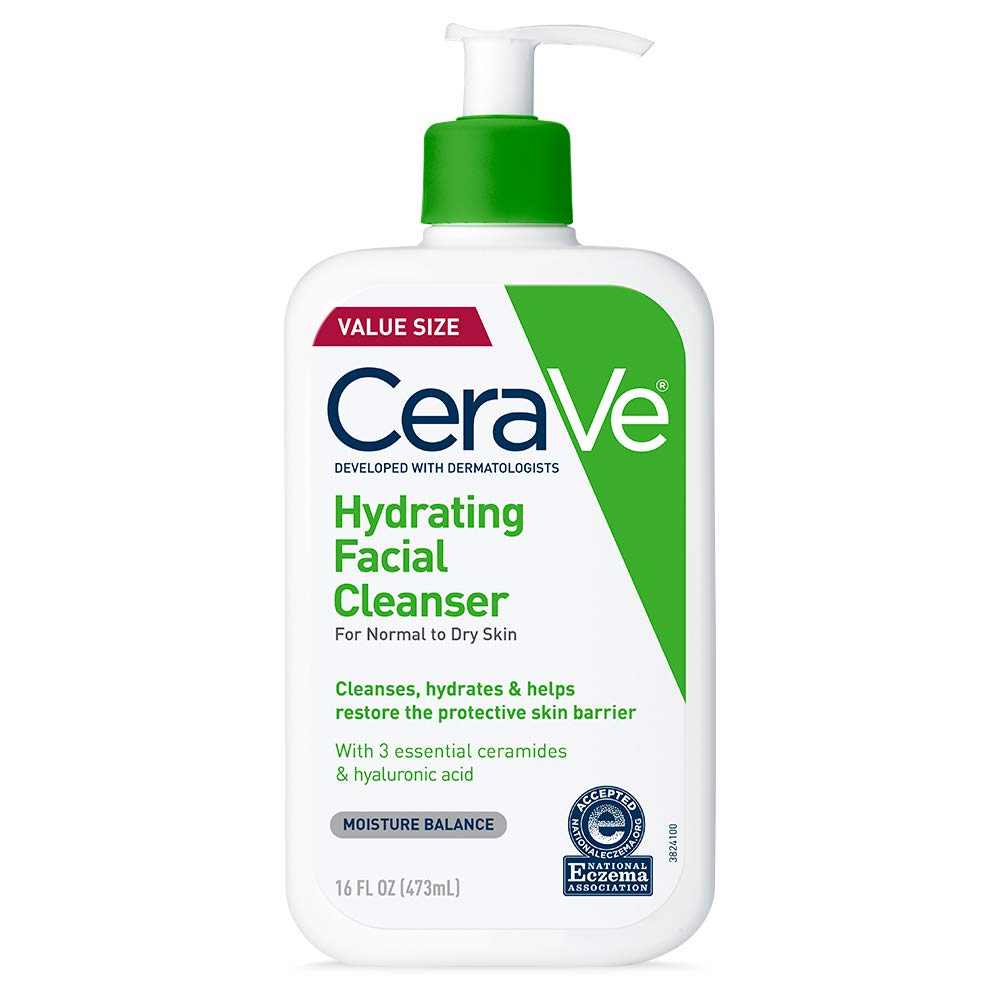
CeraVe Hydrating Facial Cleanser for Daily Face Washing

CeraVe Hydrating Facial Cleanser for Daily Face Washing is the kind of face wash buyers open when they want cleaner skin without turning a basic cleanse into a harsh or unpredictable step. It sits in the mid-range part of the category at $20-$25, and the current Amazon listing shows 4.6 stars from 122,345 shopper reviews.

Cleanser format with a wash-off formula.4.6 stars from 122,345 shopper reviews.Typical price range lands around $20-$25.

Targeted Treatment Pick

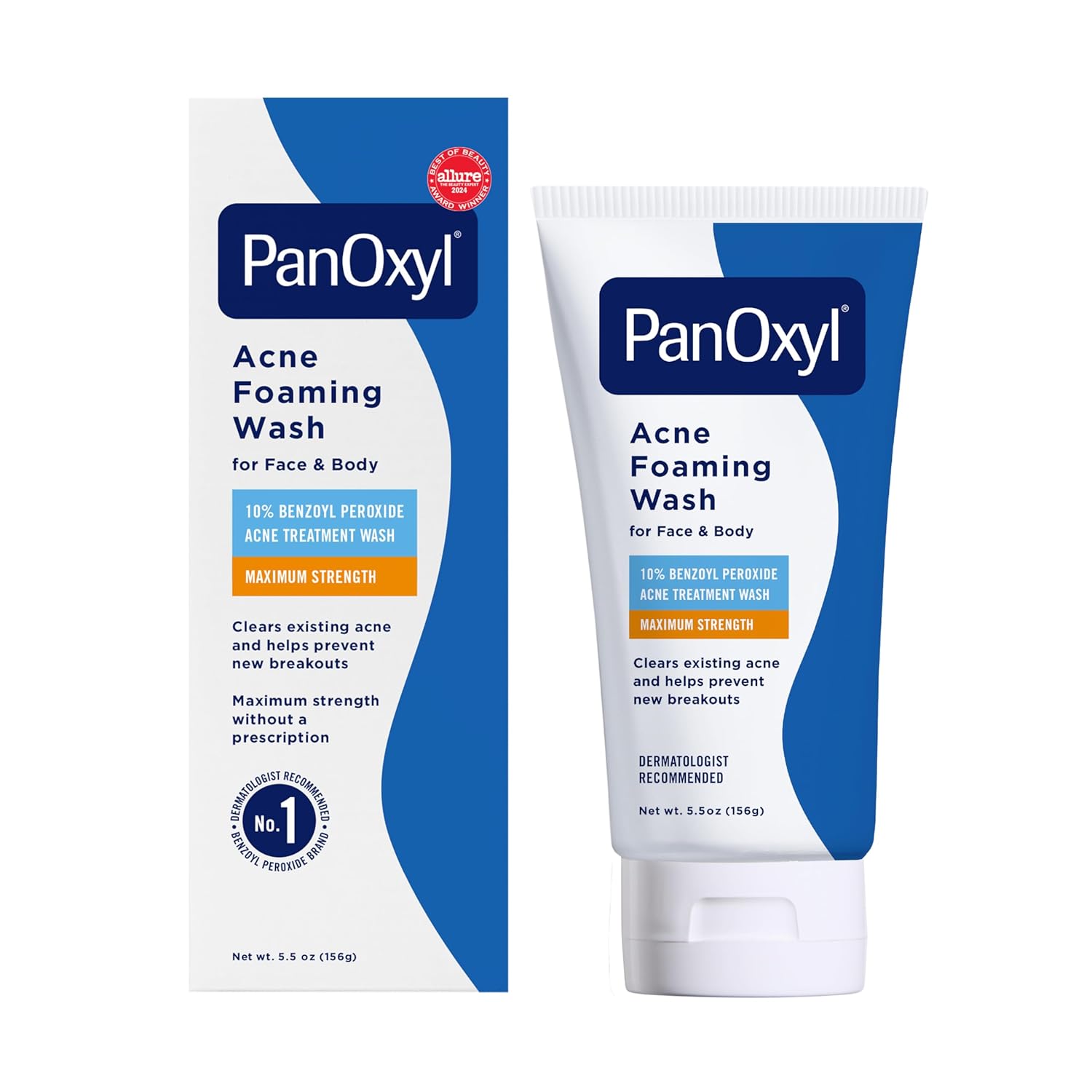
PanOxyl Acne Foaming Wash Benzoyl Peroxide 10% Maximum Strength Antimicrobial

PanOxyl Acne Foaming Wash Benzoyl Peroxide 10% Maximum Strength Antimicrobial is a stronger fit for buyers who want targeted breakout support and a product that solves one visible acne problem without forcing a complete routine rebuild on day one. It sits in the budget-friendly part of the category at current Amazon pricing, and the current Amazon listing shows 4.2 stars from 24 shopper reviews.

Acne treatment format with a foaming texture.4.2 stars from 24 shopper reviews.Typical price range lands around current Amazon pricing.

Verdict

Final Decision

Choose CeraVe Hydrating Facial Cleanser if you want the easier daily-use option for a calmer and more flexible routine. Choose PanOxyl 10% Benzoyl Peroxide Acne Foaming Wash if breakout support matters more than keeping the cleanser especially gentle or easygoing. The deeper difference is routine comfort versus cleansing style. Buyers who care most about softness, lower friction, and barrier-friendly daily use should lean toward the calmer option. Buyers who care more about foaming feel, acne support, or a cleaner-finish experience should lean toward the option that serves that role more directly.
Decision Notes

How To Think About This Comparison

How To Choose Between These Two Cleansers

Use routine feel as the first tie-breaker. If one cleanser looks calmer, softer, and easier to use twice a day without friction, that usually matters more than small feature differences. If the other cleanser clearly supports the more active or treatment-led routine you need, then that stronger routine role should drive the decision instead.

What The Buyer Should Compare Beyond Texture

Texture is a huge part of the cleanser decision, but it should not be the only factor. A better comparison also looks at what the cleansing step is trying to solve, how the product behaves around the rest of the routine, and whether one option creates less daily friction than the other. A cleanser that fits a dry, sensitive, or active-heavy routine often wins for reasons that have nothing to do with hype and everything to do with consistency.

That is why comparison pages should speak in routine language instead of only ingredient language. Buyers usually know they are close to the answer already. What they need is help deciding which product role feels more realistic for their skin and their schedule.

Where Buyers Usually Get This Decision Wrong

The most common mistake is assuming that stronger or more foaming automatically means more effective. In reality, the better cleanser is usually the one that solves the real problem while still feeling good enough to keep using every day. That is why a comparison page should focus on daily experience, not just label language.

How This Comparison Should Affect The Next Click

A good comparison page should not replace the review pages. It should make the review pages easier to use. Once the reader sees which side of the decision looks more natural for their routine, the next step is to open the individual reviews and confirm texture, buyer fit, price, and tradeoffs. That sequence leads to higher-confidence buying and usually better affiliate conversion because the user is no longer clicking out with category-level uncertainty.

How To Judge Long-Term Value In A Cleanser Matchup

Long-term value usually comes down to whether the cleanser earns a stable place in the routine. A lower-priced cleanser can still be poor value if it creates daily friction or never feels right enough to finish. A slightly pricier cleanser can still be the smarter buy if it lowers friction and becomes the obvious everyday choice. This is why a serious comparison page should frame value through repeat use, not price alone.

Who Should Lean Toward CeraVe Hydrating Facial Cleanser vs PanOxyl 10% Benzoyl Peroxide Acne Foaming Wash

CeraVe Hydrating Facial Cleanser vs PanOxyl 10% Benzoyl Peroxide Acne Foaming Wash usually makes more sense when the reader wants the product story that feels cleaner, easier to repeat, and more aligned with texture, after-feel, and whether the wash leaves the routine calmer or tighter. That does not always mean it is objectively better. It means it may be the easier product to justify inside a real routine.

This matters because comparison pages should reduce indecision, not create new noise. If one option already matches the routine goal more clearly, that signal deserves more weight than a small difference in marketplace prestige.

Who Should Lean Toward the second product

the second product usually wins when the buyer's routine goal points more directly toward its strengths, even if the other option has broader appeal. In categories like this, a narrower but better-matched product often creates the stronger final result.

That is also where better affiliate pages outperform generic comparison posts. They explain why the second option deserves the click when it actually fits the buyer more cleanly.

Why Routine Fit Beats Feature Lists

Feature summaries matter, but they do not close the sale on their own. The final winner is usually the product that reduces friction inside the existing routine and feels realistic enough to keep using even after the initial excitement is gone.

For most readers, the best next step after this page is the final review for the product that already looks easier to live with, not another broad search for more options.

FAQ

Common Questions

How should I decide between these two cleansers?

Decide by routine fit first: comfort, texture, and daily use usually matter more than brand recognition once the category is already narrowed.

Does the cheaper cleanser automatically offer better value?

No. The better value is usually the cleanser that feels easier to use consistently and fits the buyer's real concern more cleanly.

What should I read after this comparison?

Open the individual review pages next if you still need product-level detail on texture, buyer fit, and final purchase tradeoffs.