Buying Guide
How To Choose Acne Treatment Products
A practical acne-treatment buying guide for readers comparing patches, spot treatments, acne cleansers, and breakout-support products before the final click.
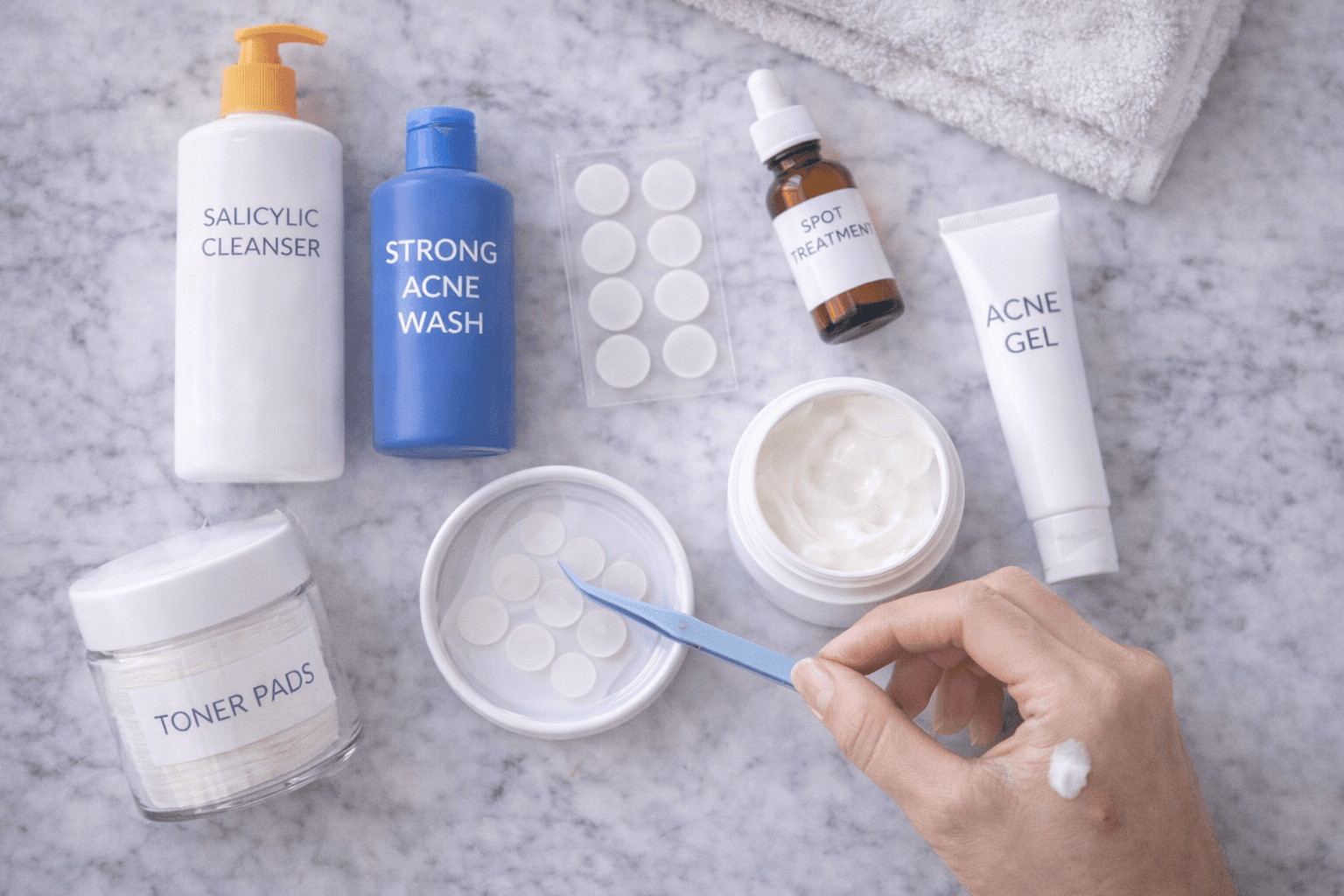
Acne treatment pages become much more useful when they explain product role first. Buyers do not need a random list of breakout products. They need to understand whether their next purchase should be a patch, a spot treatment, a treatment-led cleanser, or a stronger support step inside the routine. This guide is built to answer that category question clearly so the next shortlist is smarter.
Choose The Format That Fits Daily Use
Acne patches are usually the lowest-friction starting point because they are targeted, simple, and easy to understand. Toner pads can make sense for readers who prefer a swipe-on format. Stronger cleansers fit buyers who want the wash step to do more. Those categories are related, but the right starting point depends on what the buyer is actually willing to keep using.
That is why acne-treatment pages should focus on routine fit just as much as ingredient strength.
Do Not Confuse Stronger With Smarter
A stronger treatment is not always the better treatment. Many readers buy something too intense too early and then blame skincare in general when the routine becomes harder to manage. The better move is often to choose the format that solves the clearest problem with the least extra friction.
This is especially important for affiliate content because readers want help choosing wisely, not just aggressively.
Use The Routine To Decide Where The Treatment Belongs
If the cleanser and moisturizer steps are already unstable, targeted acne products can become much harder to judge. That is why a broad acne-treatment guide should keep reminding readers that the rest of the routine matters.
The cleaner the routine foundation, the easier it is to understand whether the treatment product is actually helping.
What To Read After This Guide
Readers who know they want a targeted product should move into a best acne and spot treatment page or into review pages for the exact format they already lean toward. Readers still deciding between cleanser-led support and targeted treatment should open a comparison page next.
Separate Emergency Products From Everyday Products
Some acne products are best treated as emergency tools, not daily staples. Acne patches are a good example. They can be excellent for a visible blemish that the shopper wants to protect, but they do not solve every type of acne pattern. On the other side, cleanser-based actives may support a daily routine, but they still should not be treated as if stronger automatically means smarter. A good acne guide should teach readers to distinguish between products that are useful in the moment and products that belong in the baseline routine.
That distinction makes the page more useful because it stops readers from building routines around the wrong products. It also creates better internal links. Spot-treatment readers can move toward acne patch best lists and review pages. Readers dealing with ongoing congestion can move toward cleanser best lists and salicylic-acid comparisons. That gives the site clearer search intent coverage and a much stronger funnel.
Look At The Routine Around The Treatment
Acne treatment decisions should never be made in isolation. The same cleanser or treatment step can feel very different depending on what comes before and after it. A strong acne guide should remind readers that the cleanser, moisturizer, and treatment step work as a system. If the cleanser is aggressive and the moisturizer is too weak, the buyer may blame the treatment product when the real problem is the routine around it.
This is one of the clearest ways to make acne content feel more professional. Instead of talking only about ingredients, the guide explains how treatment products behave inside a real routine. That makes the advice more trustworthy and helps the reader move naturally into moisturizer pages, gentle-cleanser pages, and direct product comparisons.
How Readers Usually Waste Money In This Category
The most common mistake is buying too early based on trend language or a familiar brand name without first deciding which daily problem actually matters most. In practice, that usually leads to a routine that sounds better on paper than it feels in real use, because the product was never matched against strength, tolerance, and whether the product belongs as a targeted treatment instead of another harsh step.
That is also why stronger SEO pages outperform thin roundups. They slow the reader down long enough to turn vague interest into a clearer buying path, which improves both trust and conversion quality.
What A Better Final Decision Usually Looks Like
The better decision is rarely the one with the loudest promise. It is usually the treatment that solves the breakout problem without making the rest of the routine harder to manage. That is the kind of purchase that still feels right after the first week, which is what separates high-converting content from pages that only chase clicks.
After the category is clear, the best move is not another broad search. It is the acne-treatment shortlist or the side-by-side comparison between two realistic treatment options, then the final review page that validates price, fit, and who should skip the product entirely.
Frequently Asked Questions
What is the easiest acne product type to start with?
Acne patches are often the easiest first step because they are simple, targeted, and do not require a full routine rewrite.
When should a cleanser-led acne product come first?
It makes more sense when the buyer wants the wash step itself to carry more of the acne-support work.
