Buying Guide
How To Choose A Face Cleanser
A detailed face cleanser buying guide for readers comparing gentle washes, hydrating cleansers, foaming formulas, and acne-support options before they buy.
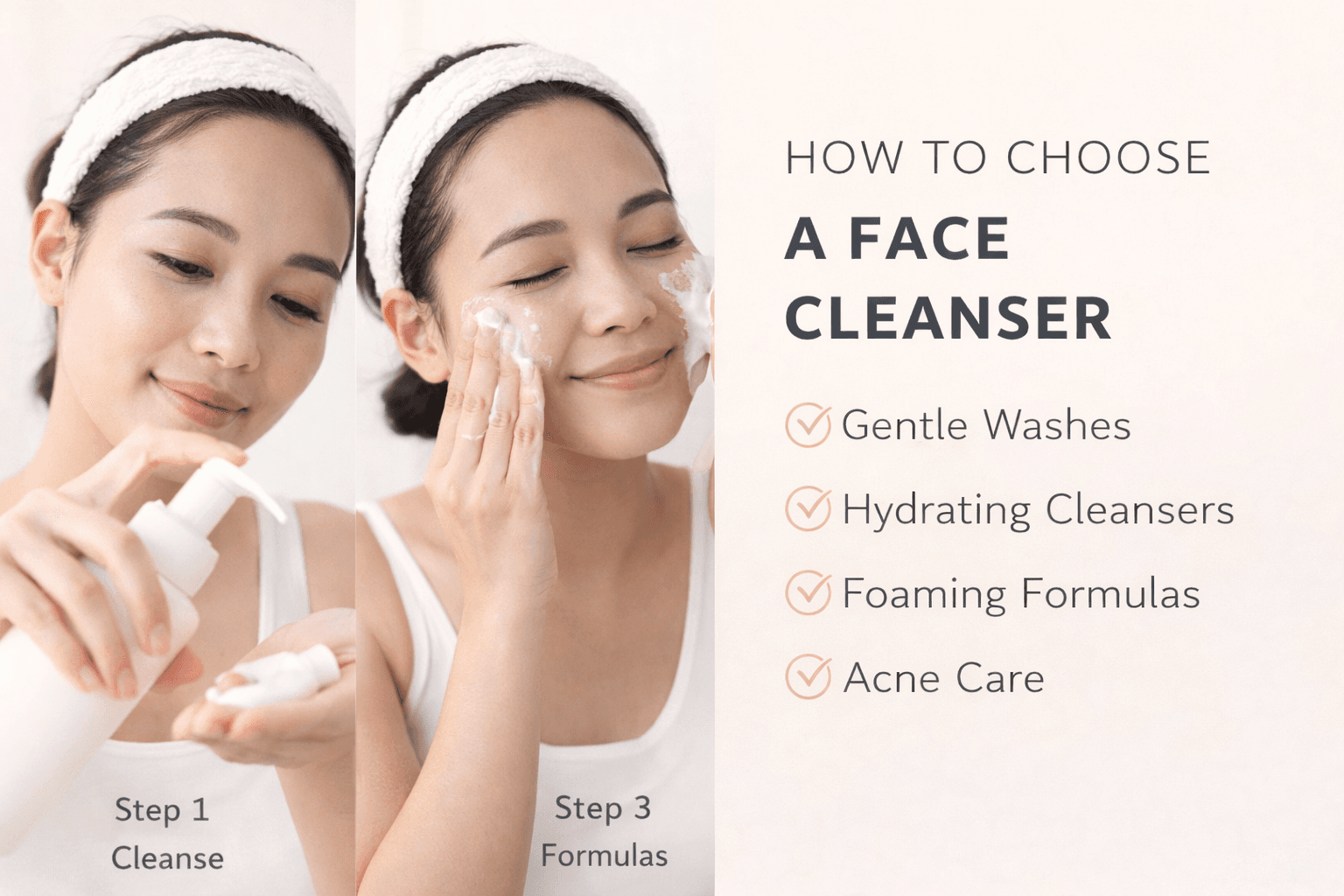
Choosing a face cleanser looks easy until the buyer starts comparing hydrating cleansers, foaming face washes, acne formulas, micellar products, cleansing oils, fragrance-free options, and premium dermatologist-style products that all claim to be the best fit. That is exactly why cleanser pages need more than a thin intro and a few random product links. A real buying guide should explain how to think about cleanser role, skin concern, texture, comfort, and repeat use before the shortlist begins. This guide is built for that stage. It is meant to help the reader move from category confusion into a tighter shortlist that actually matches the routine.
Start With The Job The Cleanser Has To Do
The strongest cleanser decision starts with one simple question: what is the cleansing step supposed to do in this routine? Some buyers want a calm everyday wash that keeps the face clean without adding dryness, irritation, or friction. Others want the wash step itself to help more with congestion, excess oil, sunscreen removal, or breakouts. Those are different jobs, and they should not all be sent to the same shortlist.
That is where most weak cleanser pages fail. They jump from the search term straight into product names without helping the reader define what kind of cleanser belongs in the routine first. High-performing beauty sites usually do the opposite. They slow the decision down, explain the difference between cleanser types, and help the buyer understand what needs to be compared next. That is better for SEO because it satisfies the broad research intent, and it is better for conversion because it makes the next click smarter.
Hydrating, Foaming, Acne, And Makeup-Removing Cleansers Are Different Purchases
A hydrating cleanser is not trying to solve the same problem as a treatment-led acne cleanser. A foaming cleanser is not the same purchase as a micellar or oil-based product designed to handle heavier removal. Buyers should expect different tradeoffs from each category. Hydrating cleansers usually prioritize comfort, repeat use, and lower friction. Foaming cleansers often prioritize a lighter, cleaner-feeling finish. Acne cleansers become more relevant when the buyer specifically wants the wash step to contribute more to breakout control.
This distinction matters because the best cleanser is not always the one with the strongest claim or the most familiar brand name. It is the one that matches what the buyer needs the cleansing step to do in real life. That is also why a better beauty site should not flatten every cleanser into one generic recommendation pool. When the guide explains these lanes clearly, the reader can self-sort into the right shortlist instead of clicking into random products and hoping something sounds right.
Texture, Comfort, And Repeat Use Usually Matter More Than Marketing Language
A cleanser can sound impressive and still feel wrong in daily use. Texture matters because the cleansing step is repeated so often. A face wash that leaves the skin tight, overly squeaky, filmy, or just annoying after a week of use usually becomes a weak purchase even if the ingredient list sounded perfect. The same is true on the other side: a richer cleanser may be smart for one buyer and too heavy for another. Comfort is not a small detail in skincare. It is one of the main reasons products stay in the routine or get abandoned.
That is why good affiliate content should describe what a cleanser is likely to feel like in the routine, not just what it claims on the bottle. Buyers want help picturing daily use. They want to know whether the product fits morning and night, whether it seems calming or more active, and whether it looks like the kind of cleanser they will actually use for months. Pages that answer those questions tend to feel more trustworthy than pages that repeat ingredient buzzwords.
Ingredients Matter, But They Should Not Control The Whole Decision
Ingredient-led buying is common in cleanser searches, especially when shoppers see salicylic acid, benzoyl peroxide, ceramides, niacinamide, oat, glycerin, or hyaluronic acid. Those ingredients absolutely matter, but only in the context of the right cleanser type. A strong ingredient inside the wrong product role still leads to the wrong purchase. A salicylic acid cleanser can make sense for a buyer who wants more help with congestion from the wash step. It can still be the wrong choice for somebody who mainly needed a gentler daily baseline and a separate targeted product later.
Better pages explain that nuance instead of turning cleanser selection into a pure ingredient contest. This is one of the easiest ways to separate production-level beauty content from thin list pages. The best pages help the reader understand why an ingredient matters, who it is most useful for, and when it should not be the main deciding factor.
Skin Type Helps, But Skin Behavior Usually Helps More
Many cleanser articles rely too heavily on broad labels like dry, oily, or combination without asking what the skin actually does after cleansing. A person can describe their skin as combination and still need a very calm cleanser because the rest of the routine already contains strong actives. Another person can say they have dry skin and still dislike richer cleanser textures, preferring something simpler that leaves the face feeling clean without being harsh. Behavior gives the buyer a much more practical filter than labels alone.
The smarter question is: what does my skin usually complain about after washing? If the answer is tightness, squeakiness, redness, residue, or the sense that the skin never feels settled, those signals help narrow the cleanser shortlist much more effectively than generic skin-type talk. Pages that explain this clearly usually feel more expert because they are helping the reader interpret real routine feedback.
Routine Context Changes What Counts As A Good Cleanser
The same cleanser can be excellent in one routine and wrong in another. A face wash that feels completely fine in a simple cleanser-moisturizer-sunscreen routine may feel too active in a lineup that already includes retinol, exfoliating acids, or stronger acne products. A cleanser that feels too calm for one buyer may feel perfect for another who wants the wash step to stay low-friction while treatments do the heavier work elsewhere.
This is exactly why good cleanser content should talk about routine context, not just bottle claims. A buyer who wears sunscreen daily, uses makeup often, or is already managing sensitivity needs different advice from somebody who mainly wants a cleaner-feeling face wash. The guide should show how those routine details change the shortlist.
Price Should Be Judged Against Repeat Use
Cleanser value is not just about buying the cheapest bottle. A cheaper cleanser can still be poor value if it causes friction, feels wrong, or ends up unused. A more expensive cleanser can still be worth it if it becomes the automatic everyday choice and keeps the routine easier to manage. That is why the smart way to compare cleanser price is through repeat use and regret reduction, not just the lowest number on the page.
The buyer should ask a simple value question: will this cleanser earn its place in the routine often enough to justify the spend? If yes, then even a slightly pricier product may be the better buy. If not, then the cheaper option is not really saving money. This way of thinking also makes the final review pages more useful because they can focus on fit, texture, and buyer type instead of just repeating price labels.
How To Build A Shortlist Without Wasting Time
A strong cleanser shortlist usually needs only a few lanes: one calm everyday option, one lighter or more foaming option, and one more treatment-led option if breakouts or congestion are part of the problem. If a page throws ten nearly identical cleansers at the reader, it is not really helping. The goal is to create a manageable final set, not a bigger pile of tabs.
Once the shortlist is built, the smartest next move is one direct comparison and two or three final reviews. That gives the buyer enough detail to decide without re-opening the whole category question from the beginning.
How To Use Cleansers In A Real Routine Instead Of In Isolation
Cleansers are often judged too harshly or too generously because buyers evaluate them in isolation. In reality, the cleanser only makes sense inside the routine that follows it. A stronger-feeling foaming cleanser may be fine in a simple routine with a supportive moisturizer and no other major actives. That same cleanser may feel completely wrong in a routine that already uses exfoliants, retinol, or benzoyl peroxide. The guide should make that relationship clear because it changes the shortlist dramatically.
This also helps readers understand why cleanser reviews sometimes sound inconsistent across the internet. The product may not be contradictory at all. It may simply behave differently in different routine contexts.
When To Spend More On A Cleanser And When Not To
Some buyers should absolutely keep cleanser spend lower and save the budget for a moisturizer, treatment, or sunscreen they care about more. Others may find that cleanser is the category where a better texture, calmer feel, or more dependable daily comfort makes the biggest difference. The point is not that expensive cleansers are always better. The point is that cleanser spend should match how much the cleansing step affects daily routine comfort.
That kind of value framing improves conversion because it makes the reader feel that the page is helping them spend intelligently, not simply spend more.
What To Read After This Guide
Readers who still need category narrowing should move into the best face cleanser pages next. Readers who are already choosing between two daily cleanser styles should open a comparison page. Readers who already know the formula type they want should move into the final review pages and validate buyer fit, texture, routine role, and current value before clicking out to Amazon. That path mirrors the way people really search, which is why it is the right structure for both rankings and conversions.
How Readers Usually Waste Money In This Category
The most common mistake is buying too early based on trend language or a familiar brand name without first deciding which daily problem actually matters most. In practice, that usually leads to a routine that sounds better on paper than it feels in real use, because the product was never matched against texture, after-feel, and whether the wash leaves the routine calmer or tighter.
That is also why stronger SEO pages outperform thin roundups. They slow the reader down long enough to turn vague interest into a clearer buying path, which improves both trust and conversion quality.
What A Better Final Decision Usually Looks Like
The better decision is rarely the one with the loudest promise. It is usually the cleanser that feels easy enough to use twice a day without second-guessing it. That is the kind of purchase that still feels right after the first week, which is what separates high-converting content from pages that only chase clicks.
After the category is clear, the best move is not another broad search. It is the sensitive-skin, acne-prone, or oily-skin shortlist that best matches the reader's real concern, then the final review page that validates price, fit, and who should skip the product entirely.
Frequently Asked Questions
What is the safest cleanser type for most buyers to start with?
A gentle or hydrating cleanser is usually the safest broad starting point because it fits more routines and creates less friction than a stronger treatment-led wash.
When should I choose an acne cleanser instead of a gentle cleanser?
Choose an acne cleanser when breakouts or congestion are the main reason you are shopping and you want the cleansing step itself to support that goal.
What should I read after this cleanser guide?
Move into the best cleanser pages if you still need a shortlist, or open a comparison page if you are already deciding between two likely cleanser styles.