Buying Guide
How To Choose A Cleanser For Acne-Prone Skin
A long-form acne-prone skin cleanser guide covering salicylic cleansers, stronger acne washes, and how to avoid overbuying cleanser strength.
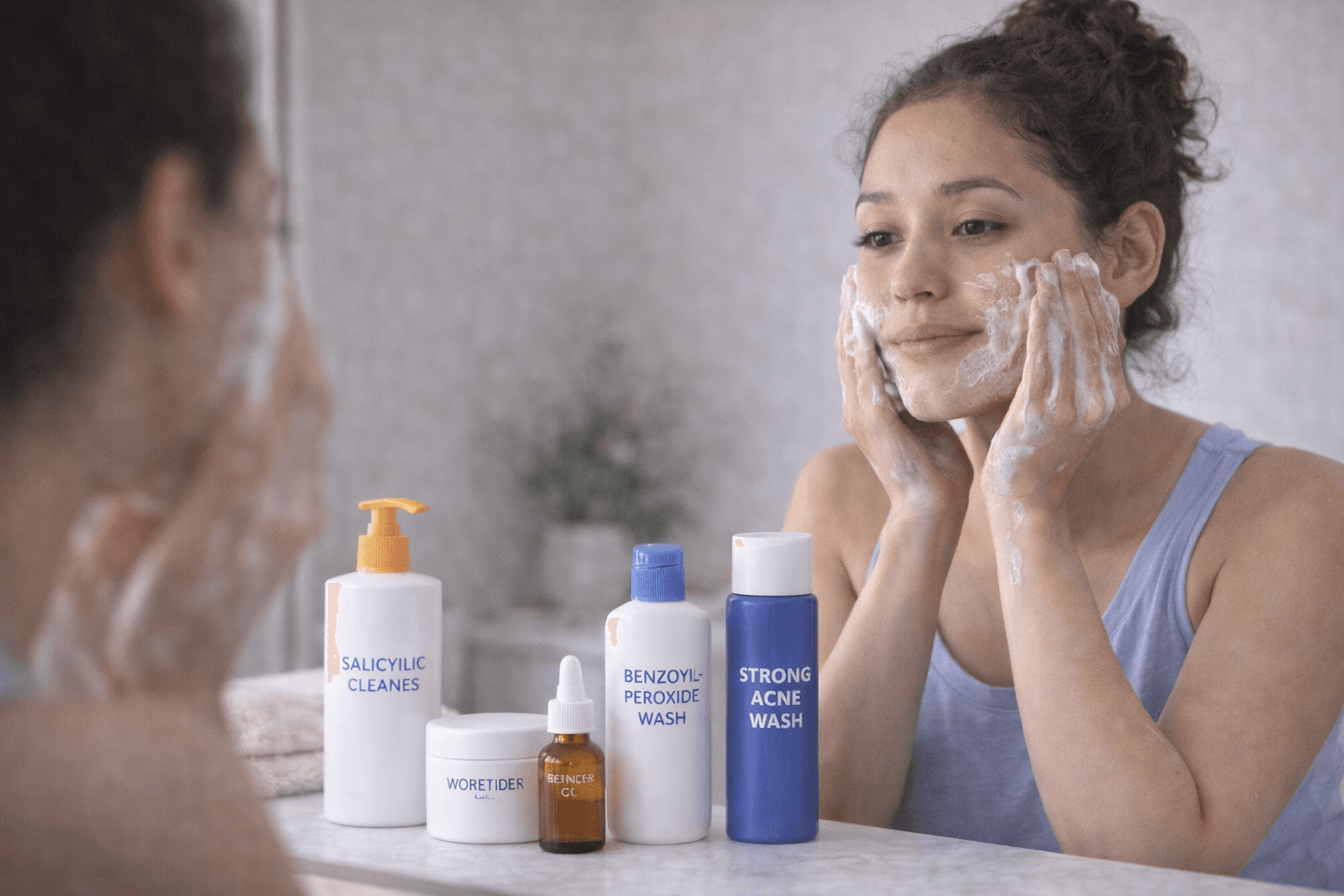
Acne-prone skin shoppers often jump straight toward the strongest cleanser they can find. That can work sometimes, but it also causes a lot of avoidable regret. This guide explains how to compare acne-prone skin cleansers more intelligently by separating everyday support from stronger cleanser-led acne strategies.
Decide Whether You Need Support Or Pressure
Not every breakout pattern needs the cleanser step to do the heavy lifting. Some buyers simply need a cleanser that does not add more oil or congestion problems. Others genuinely want the cleansing step to help with acne support more actively. Those two buyers should not be pushed toward the same shortlist.
This is why the best acne-cleanser content should explain routine role before brand choice.
Stronger Is Only Better If You Can Keep Using It
A benzoyl-peroxide wash may sound like the obvious answer, but it only becomes the better buy when the buyer can actually tolerate it and keep it in regular use. If the product creates too much routine friction, the value drops quickly.
A more flexible salicylic cleanser or a gentler wash paired with a targeted acne product can be the smarter purchase for many readers.
Compare Acne Cleansers Against Other Acne Support Formats
Some buyers are better served by keeping the cleanser simpler and handling breakouts with a patch, toner pad, or another targeted product later in the routine. That is why acne-cleanser pages should not act like cleanser strength is the only decision that matters.
The better path is to compare what the cleanser should do versus what a leave-on or targeted acne step should do.
Move Into Comparison Pages Next
The best next step after this guide is usually a side-by-side comparison between one stronger acne wash and one more flexible daily-use option. That is where the difference becomes clear and the reader can make a much better final decision.
A strong guide page should reduce confusion and send the reader into the right comparison, not just dump them into a generic list of products.
How Readers Usually Waste Money In This Category
The most common mistake is buying too early based on trend language or a familiar brand name without first deciding which daily problem actually matters most. In practice, that usually leads to a routine that sounds better on paper than it feels in real use, because the product was never matched against texture, after-feel, and whether the wash leaves the routine calmer or tighter.
That is also why stronger SEO pages outperform thin roundups. They slow the reader down long enough to turn vague interest into a clearer buying path, which improves both trust and conversion quality.
What A Better Final Decision Usually Looks Like
The better decision is rarely the one with the loudest promise. It is usually the cleanser that feels easy enough to use twice a day without second-guessing it. That is the kind of purchase that still feels right after the first week, which is what separates high-converting content from pages that only chase clicks.
After the category is clear, the best move is not another broad search. It is the sensitive-skin, acne-prone, or oily-skin shortlist that best matches the reader's real concern, then the final review page that validates price, fit, and who should skip the product entirely.
Frequently Asked Questions
Should acne-prone skin always use a strong cleanser?
No. The better choice depends on how much work the cleanser needs to do and how well your skin handles stronger formulas.
What is the easiest acne-related product type to start with?
For many readers, a lower-friction targeted product or a more balanced cleanser can be easier to start with than forcing the cleanser step to do everything.