Buying Guide
How To Choose A Sunscreen For Daily Use
A long-form sunscreen buying guide for readers comparing face sunscreens, tinted options, mineral formulas, and everyday SPF products that actually feel easy to wear.
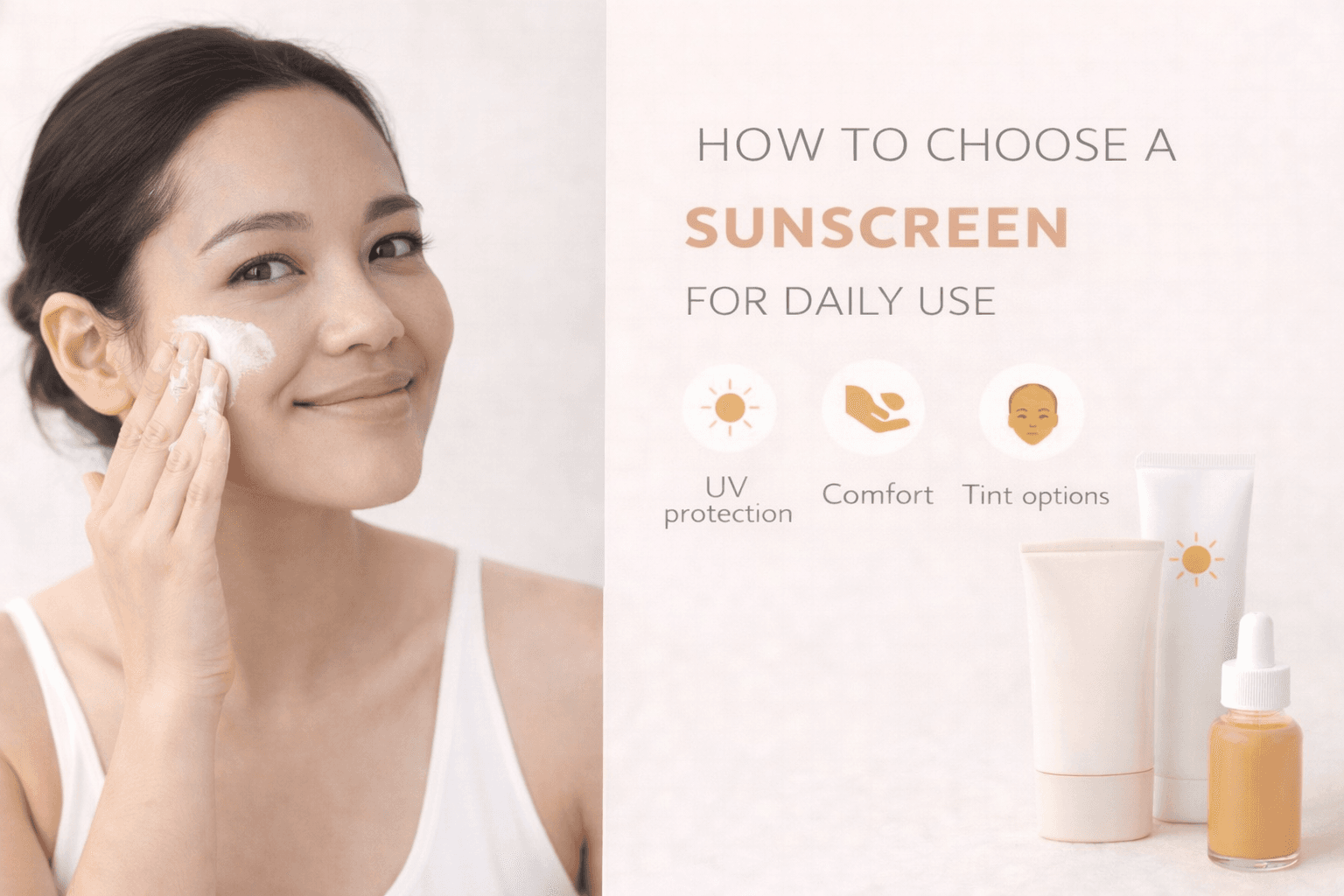
Sunscreen pages often fail because they treat SPF like a simple checkbox. Buyers do not only want a product with sun protection on the label. They want a sunscreen they will actually wear every day, reapply when needed, and keep in the routine without dread. That is a different decision. The right sunscreen is often the one that feels light enough, calm enough, and wearable enough to become automatic. This guide is built for that stage of the decision. It explains how to compare sunscreen type, finish, tint, cast risk, comfort, and routine fit before the reader moves into best pages, comparisons, and final reviews.
Start With Wearability, Not Just SPF Number
The first sunscreen decision should not be a race to the biggest number on the bottle. It should be a decision about wearability. If the texture feels heavy, leaves a cast the buyer hates, sits badly under makeup, or becomes uncomfortable after a few hours, the sunscreen will not be used consistently enough to matter. That is why the best sunscreen pages focus on real daily use instead of acting as if SPF number alone solves the buying problem.
A production-level buying guide should tell the reader directly that consistency beats theoretical perfection. A sunscreen that gets worn every morning is usually more valuable than a technically stronger-looking option that stays in the drawer.
Face Sunscreen, Tinted Sunscreen, And Mineral Sunscreen Are Different Decisions
Some sunscreen buyers want a daily face product that layers smoothly and disappears into the routine. Others want a tinted option to reduce white cast or blend more naturally with the rest of the morning routine. Others specifically want a mineral-style formula because that profile feels safer or more comfortable for their skin. Those are different buying paths, and the shortlist should reflect that.
When sunscreen content mixes all of those products into one generic recommendation pool, the page becomes harder to use. The better page helps the reader decide which kind of sunscreen role matters first, then compares products inside that lane.
Texture And Finish Usually Decide Whether The Product Stays In The Routine
Buyers often talk about sunscreen in ingredient or protection terms, but long-term success usually comes down to finish. Does the sunscreen feel greasy, dry, sticky, heavy, or clean? Does it sit well with moisturizer and makeup? Does it feel realistic to reapply? Those are the details that make a sunscreen feel like a keeper or a constant compromise.
That is why strong sunscreen pages should describe the daily-wear experience in plain language. Readers want help imagining what the product feels like at 8 a.m., not just what it promises in a lab-style description.
Sensitive Skin, White Cast, And Reapplication Change The Right Answer
The right sunscreen changes when the buyer has sensitivity concerns, a strong dislike of white cast, or a higher need to reapply throughout the day. A sunscreen that works beautifully for a quick morning routine may feel wrong for a reader who wants easier touch-ups. A product that looks fine on paper can still become a poor fit if it feels too noticeable on the skin after a few hours.
Good sunscreen content should explain those tradeoffs because they are exactly what helps a reader move from broad browsing into the correct shortlist.
How To Build A Sunscreen Shortlist
A useful sunscreen shortlist usually includes one broad daily face sunscreen, one tinted or more cosmetically elegant option, and one mineral-leaning or sensitive-skin option if that concern matters. That gives the buyer a meaningful spread without flooding the page with too many similar products. After that, the smartest next move is one best page and one direct comparison.
This path also mirrors how good affiliate funnels work. The guide reduces uncertainty first, the shortlist narrows the field, and the comparison pages help the buyer make the final call with more confidence.
What To Read After This Sunscreen Guide
Readers who still need a broad shortlist should move into the best sunscreen page. Readers already choosing between a tinted and non-tinted formula should go straight into the comparison page. The final review pages should come last, once the sunscreen lane is already clear.
How Readers Usually Waste Money In This Category
The most common mistake is buying too early based on trend language or a familiar brand name without first deciding which daily problem actually matters most. In practice, that usually leads to a routine that sounds better on paper than it feels in real use, because the product was never matched against daily wearability, cast, finish, and how naturally the product fits the morning routine.
That is also why stronger SEO pages outperform thin roundups. They slow the reader down long enough to turn vague interest into a clearer buying path, which improves both trust and conversion quality.
What A Better Final Decision Usually Looks Like
The better decision is rarely the one with the loudest promise. It is usually the sunscreen the buyer can actually wear every day without dreading the feel or finish. That is the kind of purchase that still feels right after the first week, which is what separates high-converting content from pages that only chase clicks.
After the category is clear, the best move is not another broad search. It is the face-sunscreen shortlist or the mineral-versus-everyday comparison that matches the finish problem, then the final review page that validates price, fit, and who should skip the product entirely.
Frequently Asked Questions
What matters most when choosing a daily sunscreen?
Wearability matters most. A sunscreen that feels easy to use every day usually beats a technically stronger-looking option that never becomes part of the routine.
Should I choose a tinted sunscreen or a regular face sunscreen?
Choose based on finish and white-cast preference. Tinted products often help buyers who want a more natural-looking finish, while regular face sunscreens can be simpler for a basic routine.
What should I read after a sunscreen guide?
Move into the best sunscreen shortlist first, then use a direct comparison if you are choosing between two likely options.


