Buying Guide
How To Choose A Moisturizer For Dry Skin
A detailed moisturizer guide for dry-skin shoppers comparing richer creams, nighttime support formulas, and barrier-focused products without wasting money on the wrong texture.
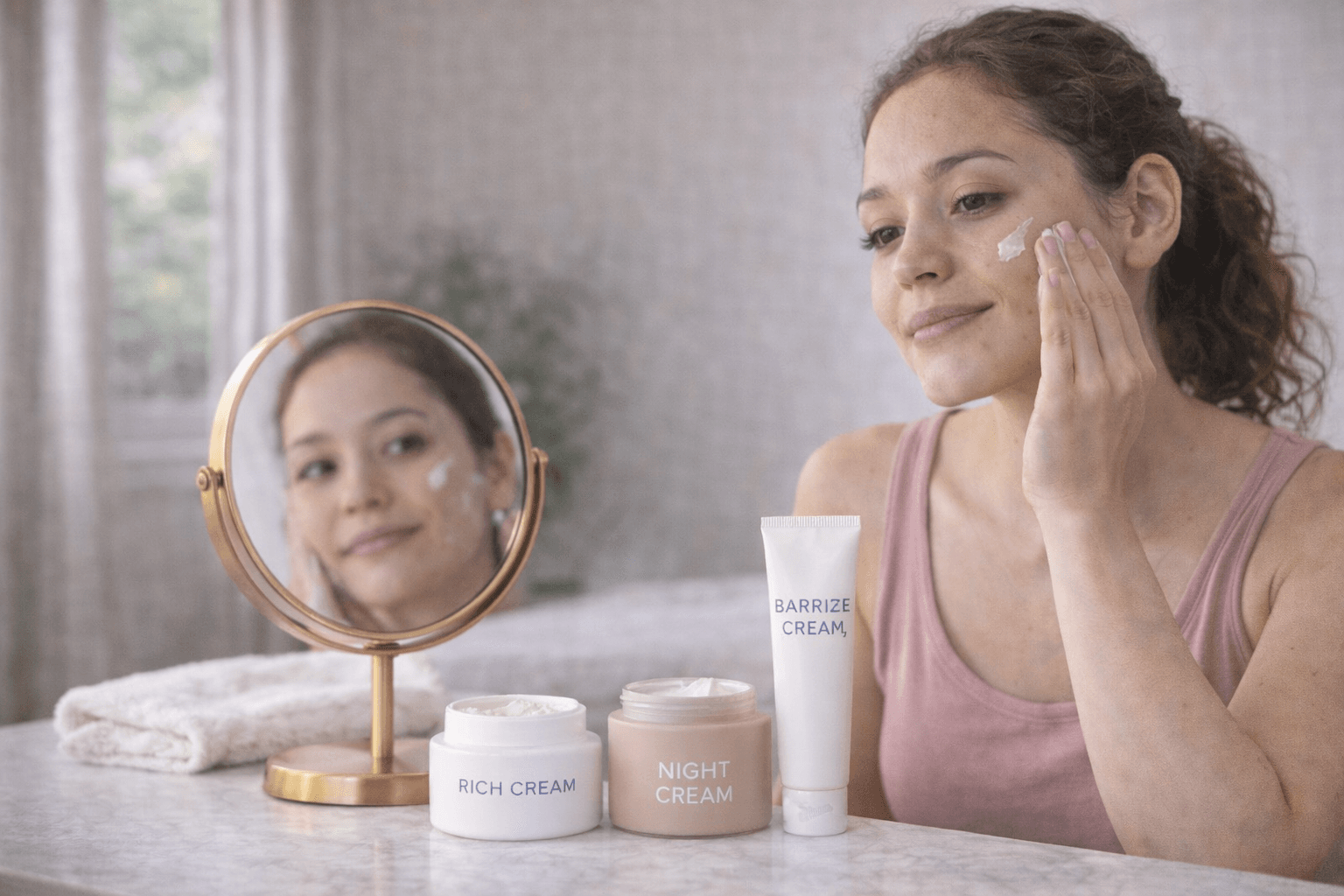
Dry-skin moisturizer pages should answer more than whether a product is hydrating. The real buying question is how much comfort, richness, and barrier support the skin actually needs to feel more stable every day. This guide is for readers deciding between richer creams, layered night support, and the products that feel worth the space in a routine that already struggles with dryness or tightness.
Start With The Main Dry-Skin Moisturizer Problem
A dry-skin moisturizer choice should begin with the problem the buyer is actually trying to solve, not with the loudest claim on the product page. Buyers usually get lost when they shop by ingredient trend or social proof before deciding what the product needs to do in the routine. A stronger page slows that decision down and helps the reader understand what the category is supposed to fix first.
That matters for both rankings and conversion because searchers in this stage are still sorting through category confusion. The guide needs to help them narrow the field, identify the right product lane, and move into the shortlist pages with clearer buying intent instead of vague interest.
Separate Product Type From Buyer Fit
The strongest moisturizer pages do not act as if every texture, finish, and claim belongs in one giant recommendation bucket. They explain how lighter options, richer formulas, targeted treatments, or more sensitive-skin friendly products solve different routine problems. That makes the buyer's next click much more intentional.
A production-level beauty guide should always explain who a product type helps, who should avoid it, and what tradeoff comes with choosing it. That kind of structure keeps the reader engaged longer because the page feels useful instead of generic.
Judge Daily Use Before Promises
Most skincare regret comes from buying something that sounds impressive but feels wrong after a week of real use. That is why good content explains texture, layering, finish, tolerance, and repeat-use comfort before it chases dramatic claims. A product can have a strong rating and still be the wrong buy if it creates friction every morning or night.
Readers want help imagining daily use, not just more reasons to keep opening tabs. Pages that describe the everyday routine experience clearly usually perform better over time because they answer the real buying question sooner.
Use Routine Context As A Filter
The same product can be excellent in one routine and frustrating in another. A calm cleanser, richer moisturizer, stronger treatment, or tinted sunscreen only makes sense when the rest of the routine supports it. That is why the better guide keeps bringing the buyer back to context instead of evaluating the product in isolation.
The wrong moisturizer for dry skin is often not too weak on paper, but too thin, too short-lived, or too awkward to keep using every day. When the page explains that context clearly, the user can move into the best pages and comparison pages with a much cleaner shortlist and less risk of overspending on the wrong format.
Build A Smaller Shortlist On Purpose
The job of a guide is not to create a bigger pile of options. It is to reduce uncertainty until the buyer only needs a few realistic finalists. That is where best pages and comparison pages become more valuable. The guide should help the reader move from broad category language into a shortlist they can actually evaluate.
That is also how affiliate pages convert better. The reader feels that the site is helping them spend intelligently instead of pushing product cards too early.
What To Read Next
The best next click after this guide is a dry-skin or night-cream shortlist, followed by one comparison between the richest serious options. The guide should always send the reader into the next stage of the funnel with a clearer question, not just a bigger list of products. That is the difference between a site that looks busy and a site that actually builds topical authority.
How Readers Usually Waste Money In This Category
The most common mistake is buying too early based on trend language or a familiar brand name without first deciding which daily problem actually matters most. In practice, that usually leads to a routine that sounds better on paper than it feels in real use, because the product was never matched against finish, layering, barrier comfort, and whether the formula feels lighter or richer than the routine needs.
That is also why stronger SEO pages outperform thin roundups. They slow the reader down long enough to turn vague interest into a clearer buying path, which improves both trust and conversion quality.
What A Better Final Decision Usually Looks Like
The better decision is rarely the one with the loudest promise. It is usually the moisturizer that supports repeat use morning or night instead of sitting on the shelf as a backup option. That is the kind of purchase that still feels right after the first week, which is what separates high-converting content from pages that only chase clicks.
After the category is clear, the best move is not another broad search. It is the moisturizer shortlist for dry skin, sensitive skin, or acne-prone skin depending on the real routine gap, then the final review page that validates price, fit, and who should skip the product entirely.
Frequently Asked Questions
What makes a moisturizer good for dry skin?
The best dry-skin moisturizer usually provides longer-lasting comfort, a better seal, and less daily tightness instead of only short-lived surface hydration.
Should dry skin always use night cream in the morning too?
Not always. Some richer creams work best at night, while a lighter but still supportive moisturizer may be smarter for daytime layering.
What should I open after this guide?
Move into the dry-skin moisturizer shortlist or a richer cream comparison before the final reviews.


