Buying Guide
How To Build A Simple Skincare Routine That Is Easy To Follow
A long-form skincare routine guide that shows readers how to build a cleanser, moisturizer, sunscreen, and treatment lineup that stays practical enough to follow every day.
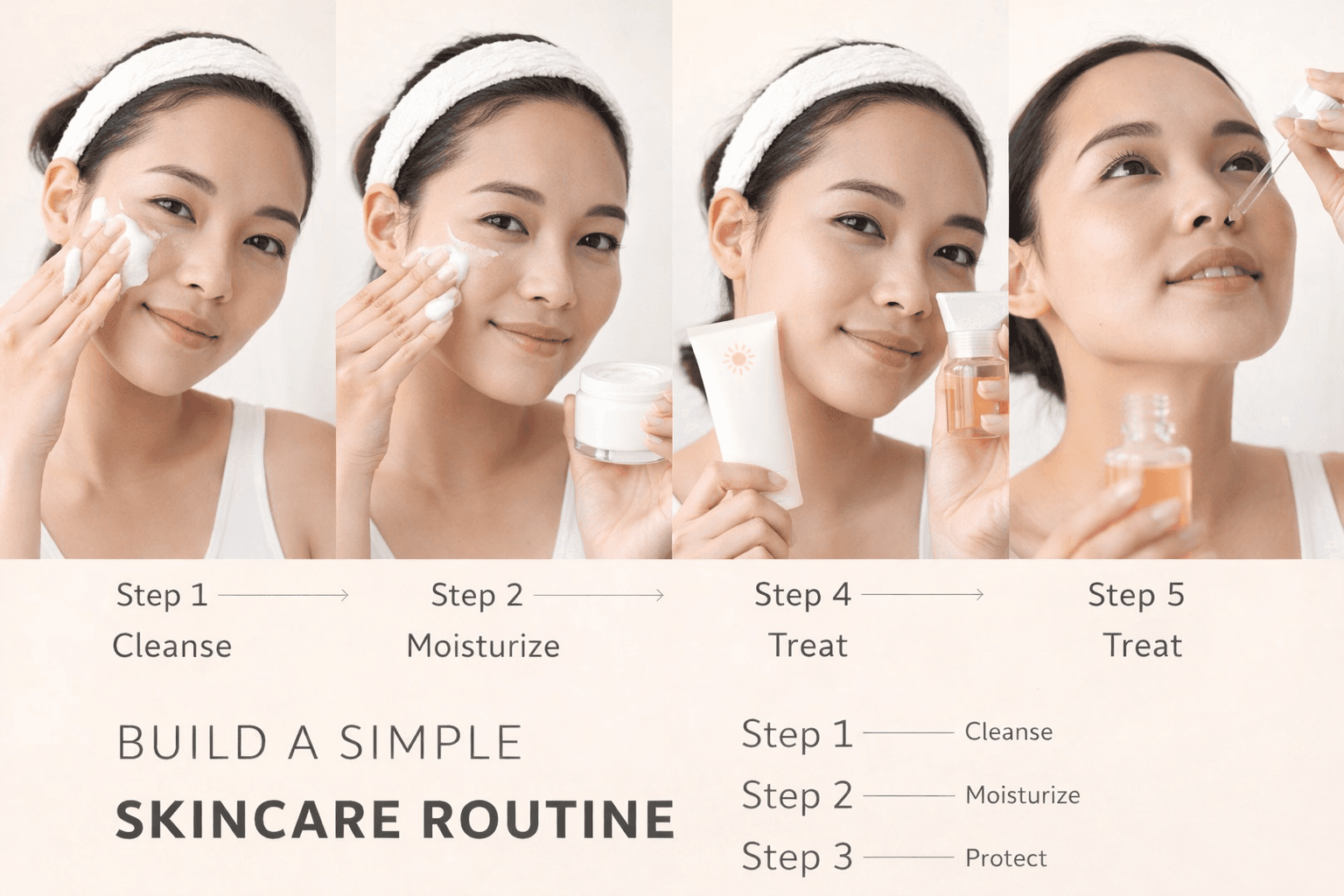
A simple skincare routine should reduce confusion, not create more of it. That sounds obvious, but many skincare articles still throw readers into product categories, ingredient trends, and social-media routine ideas before answering the more important question: what is the cleanest way to build a routine that actually gets used every day? That is what this guide is designed to solve. It is written for readers who want a skincare routine that feels realistic on busy mornings, late nights, travel days, and low-energy weeks, not just a routine that looks impressive on paper. When a routine is built around comfort, order, and repeat use, product decisions become easier, product pages become more useful, and the final buying path becomes much clearer.
Start With The Few Steps That Solve The Most Problems
The most useful skincare routines begin with fewer steps than most readers expect. Cleanser, moisturizer, and sunscreen solve more real-world routine problems than a shelf full of trend-heavy extras. Cleanser removes buildup, oil, sweat, and sunscreen residue. Moisturizer helps protect comfort and reduce barrier friction. Sunscreen supports nearly every long-term skin goal, especially for readers who care about tone, visible marks, texture, or aging. That foundation matters because a routine only becomes effective when it is steady enough to repeat without drama.
This is one of the biggest places where beauty content often goes wrong. Many articles assume the reader needs multiple treatment products before the base routine is even stable. That usually creates confusion, overspending, or irritation. A smarter guide explains that the first goal is not complexity. The first goal is to make the skin feel cleaner, calmer, and easier to manage every day. When that base is stable, the rest of the category decisions become far more useful.
Build The Routine Around The Main Skin Goal, Not Product Hype
Routine building becomes easier when the buyer organizes decisions around one main skin goal at a time. A reader focused on dryness, tightness, or barrier discomfort should not shop the same way as someone focused mainly on congestion, breakouts, or visible post-acne marks. Buyers often get overwhelmed because they start with the product format instead of the skin problem. They search for serums, ampoules, creams, and toners before deciding what part of the routine actually needs help first.
A production-level skincare site should slow that decision down. It should help the reader ask what the routine is missing, not what product sounds exciting. If the missing piece is a calmer cleanser, that should be solved first. If the routine already feels stable and the reader wants a targeted upgrade, then a serum or treatment becomes more appropriate. This kind of advice improves both SEO and conversion because the page feels more helpful and less like a product dump.
Keep Morning And Night Responsibilities Separate
One of the cleanest ways to make a skincare routine easier to follow is to stop expecting morning and night to do the exact same job. Morning usually needs to stay lighter and more protective. It may involve a gentle cleanse if needed, a moisturizer that layers well, and sunscreen. Night can handle a more restorative or treatment-focused role because it is not competing with makeup wear, daytime oil, or a rushed schedule.
This separation matters because it keeps readers from buying products that technically sound good but do not fit the time of day when they will actually be used. A moisturizer that feels excellent at night may be too heavy for morning. A cleanser that works well at night after sunscreen may be unnecessary in the morning for some readers. When articles explain that difference clearly, product comparisons feel more useful because the reader is no longer evaluating everything against one unrealistic routine slot.
Add One Treatment Step At A Time
The routine usually breaks when a buyer adds too many treatment-led products at once. A new cleanser, a new vitamin C serum, a new retinol cream, an acne spot treatment, and an exfoliant added in the same week is not a smart skincare experiment. It is a recipe for uncertainty. If the routine becomes more irritating, the buyer has no idea what caused it. If the routine improves, they still do not know which product is earning its place.
A strong skincare guide should say clearly that new actives or targeted products should be introduced one at a time. That protects both the skin and the reader's budget. It also makes the next internal click on the site more meaningful because the user can move into a best page or a review with a narrower question, not a vague sense that everything might be useful.
Judge The Routine By Comfort And Consistency Before Results Claims
Readers often expect a routine to prove itself through dramatic visible change too quickly. A more useful standard is to judge the routine first by comfort and consistency. Does the cleanser make the skin feel easier to live with, or tighter and more reactive? Does the moisturizer actually reduce friction, or does it pill, sit too heavily, or feel wrong in daily use? Does the treatment step fit naturally, or does it turn the routine into a chore? Those are the early questions that reveal whether the routine is moving in the right direction.
This is important for rankings too because readers searching broad routine questions usually need practical expectation-setting, not exaggerated promises. Pages that explain what progress should look like in real use tend to feel more credible and more worth revisiting.
Use Budget And Time As Real Buying Filters
A routine should be affordable enough and simple enough to survive real life. That means the buyer should think about time and budget just as seriously as ingredients. If somebody only has a few minutes in the morning, a high-maintenance routine is not realistic no matter how impressive the product list looks. If somebody is building a starter routine on a tighter budget, the better move is usually to spend carefully on the steps that create the most comfort and predictability, not to chase premium products in every category.
This is one reason better affiliate content converts more effectively than thin beauty listicles. It does not just recommend products. It helps the reader decide where they can simplify, where a slightly better product may be worth the spend, and what should come first.
How To Know When The Routine Is Ready For Upgrades
A routine is usually ready for more advanced additions only after the base steps feel boring in a good way. The cleanser should feel dependable. The moisturizer should feel supportive. The sunscreen step should feel normal rather than optional. When those steps no longer create friction, then it makes more sense to add a targeted serum, a beginner retinol, or a breakout-focused product. Readers who skip this stage often end up blaming one new product for a routine problem that was already there before the upgrade.
This matters because a top-ranking skincare site should teach readers how to build timing into the purchase process. Not every product category belongs at the same moment. Buyers who understand that timing usually make fewer bad purchases and trust the site more.
What A Production-Level Routine Page Should Help The Reader Avoid
The best routine guide is not only a shopping page. It is also a filter against common mistakes. It should stop the reader from overbuying, from chasing products that solve the wrong problem, and from stacking too many variables at the same time. That kind of practical guidance creates the difference between a site that feels like a collection of product cards and a site that feels like a real editorial shopping resource.
Pages that can reduce confusion usually perform better over time because they are more likely to earn return visits, internal clicks, and higher confidence before the final affiliate click.
What To Read After This Routine Guide
After reading a broad routine guide, the next move should depend on which step still feels undecided. Readers who need help choosing a face wash should move into the cleanser guide or the best cleanser shortlist. Readers focused on hydration and comfort should open the moisturizer guide. Readers ready for a targeted next step should use the acne, vitamin C, or retinol guides to decide whether those categories belong in the routine yet. That structure is what makes the site work as a real buying path instead of a collection of disconnected beauty pages.
How Readers Usually Waste Money In This Category
The most common mistake is buying too early based on trend language or a familiar brand name without first deciding which daily problem actually matters most. In practice, that usually leads to a routine that sounds better on paper than it feels in real use, because the product was never matched against routine fit, texture, and whether the product solves the daily problem more clearly than the alternatives.
That is also why stronger SEO pages outperform thin roundups. They slow the reader down long enough to turn vague interest into a clearer buying path, which improves both trust and conversion quality.
What A Better Final Decision Usually Looks Like
The better decision is rarely the one with the loudest promise. It is usually the option that feels easiest to keep in the routine consistently enough to matter. That is the kind of purchase that still feels right after the first week, which is what separates high-converting content from pages that only chase clicks.
After the category is clear, the best move is not another broad search. It is the focused shortlist or comparison page that narrows the last buying question, then the final review page that validates price, fit, and who should skip the product entirely.
Frequently Asked Questions
How many products should a simple skincare routine have?
For many readers, three to five products are enough. Cleanser, moisturizer, and sunscreen create the base, while one treatment can be added later if the routine clearly needs it.
Should I buy several treatment products at once?
Usually no. Adding one targeted product at a time makes it easier to judge whether the routine is becoming more effective or more irritating.
What should I read after a routine guide?
Move into the guide or best-list page for the step you still have not solved yet, such as cleanser, moisturizer, acne treatment, vitamin C, or beginner retinol.


