Buying Guide
How To Build A Sensitive-Skin Routine That Feels Calmer Every Day
A long-form guide for readers building a sensitive-skin routine around low-friction cleanser, moisturizer, sunscreen, and treatment choices.
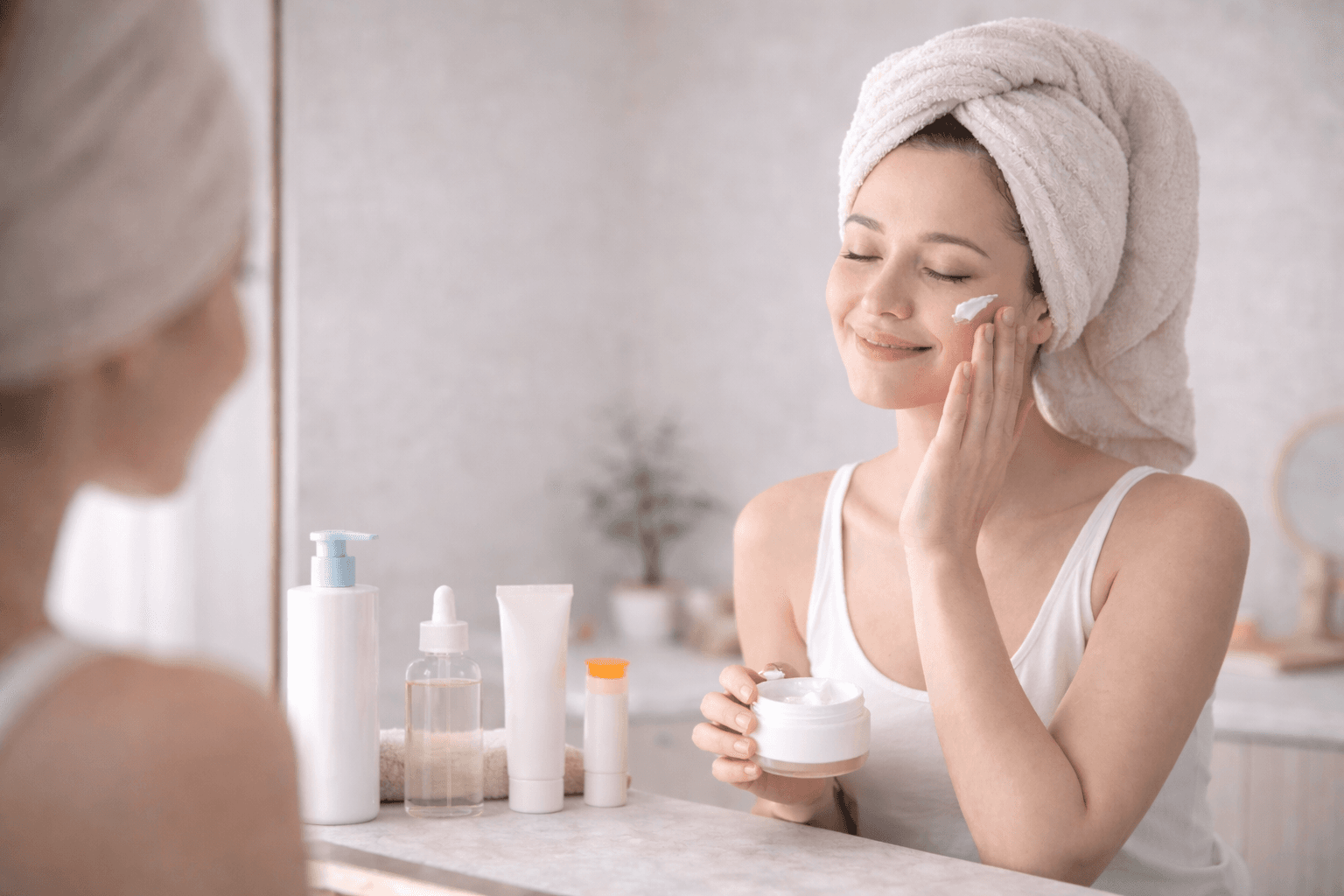
Sensitive-skin shopping usually becomes expensive when the reader tries to fix everything at once. A better routine starts by lowering friction, not by adding more variables. This guide is built for buyers who want calmer cleanser, moisturizer, and sunscreen choices before they spend on stronger treatment products or trend-driven extras.
Start With The Sensitive-Skin Routine Decision That Matters Most
Readers building a calmer routine should not start by chasing the loudest product promise. The cleaner buying path is to define what the product category needs to solve first, because that changes which formulas deserve a shortlist and which products only look good in search results.
That is what makes a strong guide page more useful than a thin roundup. It reduces category confusion early, narrows the field, and keeps the reader from spending on a product that sounds exciting but fits the routine poorly.
Use Routine Context Instead Of Shopping In Isolation
A skincare product almost never succeeds or fails on its own. It succeeds because it fits the morning or night routine, layers cleanly with the rest of the lineup, and solves a repeated daily problem with less friction. It fails when the reader buys it as if the category exists in a vacuum.
A richer moisturizer may feel safer in one routine while a lighter formula layers better in another. A gentle cleanser may be the smartest default even if it sounds less exciting than an active-heavy wash. That kind of context is what readers actually need when they are still in research mode, and it is one of the clearest ways to build topical authority instead of publishing another generic product page.
Judge The Product By Daily Use, Not Just Ingredient Prestige
Higher-converting beauty pages usually explain texture, finish, layering, comfort, and repeat use before they chase dramatic ingredient language. Buyers want to know whether the product feels realistic in a routine they can actually maintain every day.
That is why practical detail matters so much here. A page that explains how the product behaves in ordinary use often outperforms a page that only repeats claims, because it answers the buying question sooner and with less noise.
Build A Smaller Shortlist On Purpose
The guide should not give the reader more tabs to open. It should reduce the decision until only a few realistic product types or finalists are left. That is the point where best-list pages, direct comparisons, and final reviews become useful.
After this guide, readers should move into the sensitive-skin cleanser, moisturizer, and sunscreen shortlists, then compare the two most realistic products in the step that still feels unresolved. That sequence matches the way high-intent search usually works and gives the site a cleaner path from traffic to conversion.
Why This Guide Supports Rankings Better Than Thin Advice Pages
It answers the category order problem that many beauty pages skip completely: what should be fixed first, what should wait, and what should be kept simple. Pages that teach the category clearly tend to earn stronger internal engagement because readers move into the next page with clearer intent instead of bouncing back to the search results.
That is the difference between a page that looks like content and a page that actually acts like a buying resource.
How Readers Usually Waste Money In This Category
The most common mistake is buying too early based on trend language or a familiar brand name without first deciding which daily problem actually matters most. In practice, that usually leads to a routine that sounds better on paper than it feels in real use, because the product was never matched against routine fit, texture, and whether the product solves the daily problem more clearly than the alternatives.
That is also why stronger SEO pages outperform thin roundups. They slow the reader down long enough to turn vague interest into a clearer buying path, which improves both trust and conversion quality.
What A Better Final Decision Usually Looks Like
The better decision is rarely the one with the loudest promise. It is usually the option that feels easiest to keep in the routine consistently enough to matter. That is the kind of purchase that still feels right after the first week, which is what separates high-converting content from pages that only chase clicks.
After the category is clear, the best move is not another broad search. It is the focused shortlist or comparison page that narrows the last buying question, then the final review page that validates price, fit, and who should skip the product entirely.
Frequently Asked Questions
What should a sensitive-skin routine solve first?
The first goal is usually to reduce routine friction with a calmer cleanser, a dependable moisturizer, and a sunscreen that the skin can tolerate daily.
Should sensitive skin avoid all treatment products?
No. The better rule is to stabilize the base routine first, then add one treatment at a time if it still solves a real problem.
What should I read after this guide?
Open the best cleansers, moisturizers, or sunscreens for sensitive skin first, then validate the last tradeoffs in the review or comparison pages.


